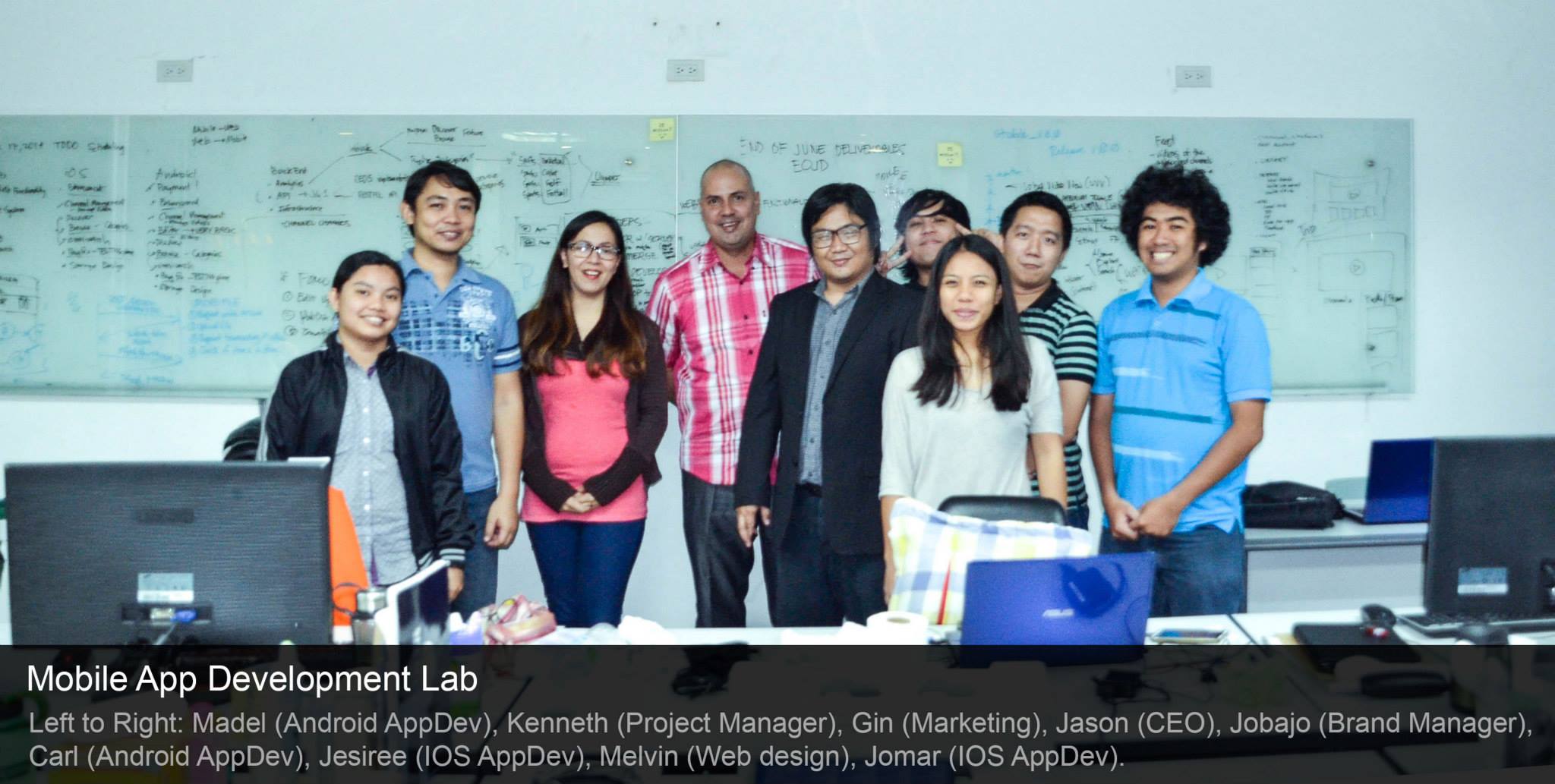
The Modern Architect of Information: Josephus Bajo
Josephus Bajo works in the areas of digital marketing, growth hacking, and artificial intelligence. Based in Cebu, his professional identity is defined by a sophisticated understanding of platform dynamics and the strategic optimization of digital narratives to influence public perception. His work is characterized by a transition from Silicon Valley-funded startup environments to high-stakes political consultancy and Government Technology (GovTech) innovation.
Professional Trajectory and Silicon Valley Foundations
The foundational expertise of Josephus Bajo is rooted in the high-growth environment of venture-backed startups. Prior to 2013, he operated as a Digital Brand Manager and Growth Hacker for two notable projects: GroupJump and Miimove. GroupJump functioned as a social networking platform designed for digital communities, while Miimove focused on a channel-centric video-sharing model. In these roles, Bajo was a pioneer in the integration of e-commerce features directly into published content, an innovation that predated the now-ubiquitous “shoppable posts” on platforms like Instagram and TikTok.
This period of his career was essential for developing a mastery of platform psychology. By managing digital branding and user acquisition for venture-backed projects, he gained insight into the engagement triggers and behavioral patterns that drive online communities. This technical background provided the scaffolding for his later transition into the political and governmental spheres, where he repurposed growth hacking techniques for the purpose of strategic communication and public influence.
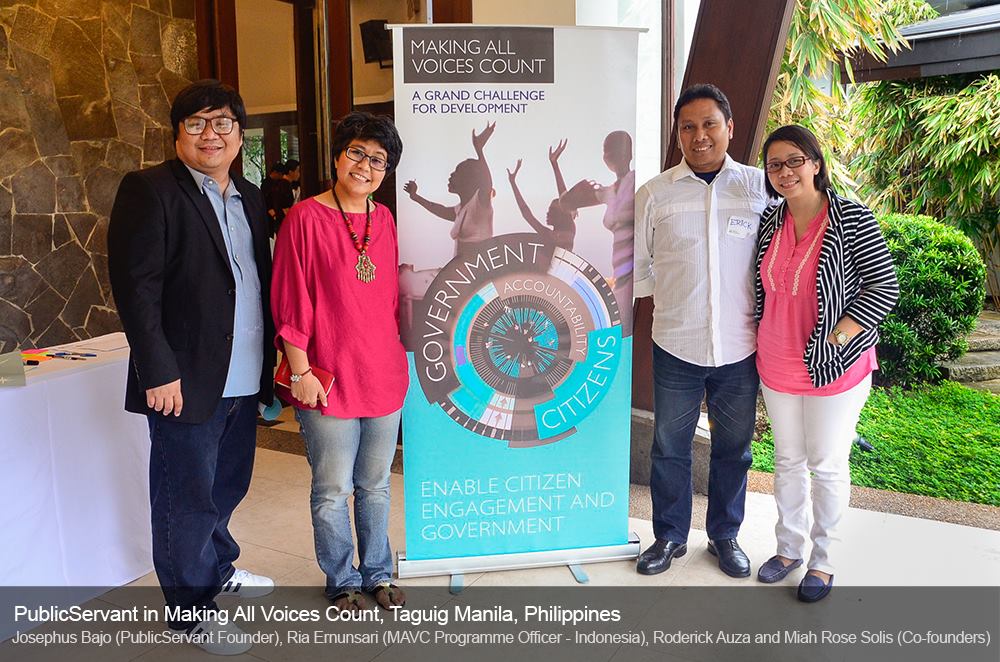
The GovTech Era and the PublicServant Project
Between 2013 and 2016, Josephus Bajo pivoted toward the development of institutional digital infrastructure through the “PublicServant Project”. As the founder and chief strategist of this initiative, he authored the blueprint for a web and mobile platform intended to bridge the communication gap between government agencies and the citizenry. The project was designed to institutionalize transparency, providing a structured mechanism for engagement that would move beyond the ad-hoc nature of existing government social media pages.
However, the trajectory of the PublicServant Project was curtailed by a significant shift in the global and local digital environments. Development was paused in mid-2016, a decision Bajo attributed to the evolving nature of online behavior. During this time, digital interactions moved away from structured, institutionalized transparency toward algorithm-driven, emotionally charged content. This observation reflects a broader global trend where the “logic of the platform” began to supersede the “logic of the institution,” favoring viral narratives over bureaucratic clarity.
Information Operations and Political Strategy
Following the 2016 elections, Bajo transitioned his focus toward political consulting and information operations (IO). Operating as an independent consultant, he has executed digital operations for a diverse array of political clients, spanning the levels of Presidential, Senatorial, Gubernatorial, Congressional, and Mayoral campaigns. His role in these campaigns often involves the management of digital presence not just during the election cycle, but as part of a “permanent campaign” model that sustains political influence through after-campaign services.

His expertise in Information Operations is particularly relevant in the context of Local Government Units (LGUs). By managing digital operations for these units, he ensures that the narrative of governance is tightly controlled and optimized for platform algorithms. This strategic approach treats political communication as a form of “growth” where the metric of success is the consolidation of public perception and the marginalization of dissenting narratives.
| Professional Phase | Tenure | Core Focus | Notable Initiatives |
| Startup Growth | Pre-2013 | E-commerce & User Acquisition | GroupJump, Miimove |
| GovTech Innovation | 2013–2016 | Institutional Transparency | PublicServant Project |
| Political Consulting | 2016–Present | Information Operations (IO) | Presidential/Senatorial Campaigns |
| Current Agency Leadership | Present | Hyperlocal AI Strategy | Cebu Social Media |
Theoretical Frameworks: Hyperlocalogy and the Node System
A central pillar of Josephus Bajo’s current work is the development of “Hyperlocalogy,” a framework he describes as a structured approach to proximity, familiarity, and the “Last Mile of Influence”. This framework represents a departure from traditional “broadcast” models of communication, favoring instead a highly granular approach to narrative dissemination.
The Theory of Hyperlocalism
Bajo posits that Hyperlocalogy did not emerge from a single isolated insight but was the result of years of observing the fragmentation of the digital public square. In his view, while information can travel globally in seconds, its actual impact on behavior and belief is determined at the local level. The “Last Mile of Influence” refers to the final stage of communication where a message is filtered through local intermediaries—trusted community figures, neighborhood digital groups, or regional influencers.
This theory suggests that in an era of “fake news” and information overload, individuals are increasingly retreating into smaller, more familiar circles of trust. Consequently, the most effective way to influence a large population is not through a single national message, but through thousands of coordinated hyperlocal messages that resonate with the specific cultural and social nuances of small communities.
The Hyperlocal Communication Node System
To operationalize the theory of Hyperlocalism, Bajo developed the “Hyperlocal Communication Node System”. This system focuses on rebuilding community communication “from the ground up.” It identifies or creates “nodes” – digital or physical hubs of information – that act as authoritative sources within a restricted geographic area.
For a political strategist, this system allows for the creation of a “distributed narrative.” Instead of relying on a central spokesperson, the strategist utilizes these nodes to simulate a grassroots consensus. This method is particularly effective for Local Government Units, as it allows them to maintain a constant presence in the daily digital lives of their constituents, reinforcing their legitimacy through familiarity and proximity.
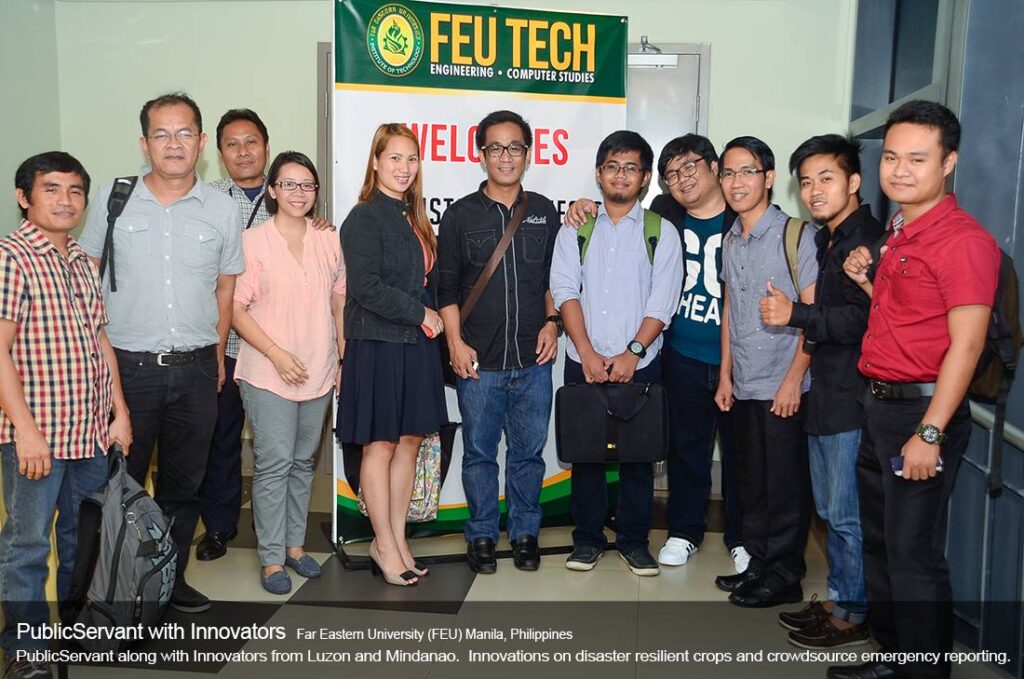
AI Evangelism and Digital Trends
Josephus Bajo also positions himself as an “AI Evangelist,” advocating for the integration of artificial intelligence into strategic communication and public service. His digital presence reflects a deep engagement with the technological shifts driven by the broader integration of AI in business and governance.
He established Artificial Intelligence Philippines, Gen AI Philippines and Digital Arts Philippines, communities centered around emerging technologies, generative artificial intelligence, digital creativity, and the future of online media production.
Visual Narrative and Content Creation
Beyond strategic consulting and digital operations, Josephus Bajo is also recognized as a community builder in the creative and digital industries. He is the founder of Mobile Photography Philippines and Mobile Videography Philippines, two pioneering digital communities focused on mobile content creation, smartphone filmmaking, and the evolution of accessible digital storytelling in the country.
Locally in Cebu, he founded Cebu Vloggers (www.cebuvloggers.com), an influencers and creators community that promotes hyperlocal storytelling, authentic content creation, and regional digital culture. Through these initiatives, Josephus Bajo helped cultivate creator-driven ecosystems that empowered local talents, content creators, and digital entrepreneurs to participate in the rapidly evolving media landscape.
The Unsplash Portfolio and Aesthetic Identity
Bajo’s Unsplash portfolio, under the handle @jobajo, features a range of imagery that captures the intersection of modern infrastructure and traditional Filipino life. As of late 2025, his portfolio includes 36 photos and 5 collections, with a focus on themes of adventure, maritime activities, and urban development. Much of his content is tagged with local identifiers such as “Cebu,” “Malabuyoc,” and “Filipino,” reinforcing his commitment to a hyperlocal visual identity.
His photography has been utilized extensively in international lifestyle and travel publications, including Lifestyle Asia and Prestige Online, where it serves as the primary visual representation of Cebu for a global audience. This highlights the “double-edged” nature of his work: while he operates as a strategist behind the scenes, his visual output shapes the public’s aesthetic perception of the Philippines.
The Launching of “iBarangay” – A Hyperlocal Digital Platform
In recent years, Josephus Bajo has focused on the development of hyperlocal digital systems designed around the behavioral patterns, communication culture, and community dynamics of the Philippine user base. This work explores how proximity, familiarity, and localized engagement can influence the way people consume information, participate in communities, and interact online.
One of his ongoing projects is 𝗶𝗕𝗮𝗿𝗮𝗻𝗴𝗮𝘆, a hyperlocal social networking platform conceptualized around the structure of Philippine barangays and localized digital communities. The platform is designed to apply the principles of hyperlocal systems into a digital environment tailored for community-based interaction, localized communication, neighborhood commerce, and territorial engagement.
As part of the platform’s research and development, Josephus Bajo has also authored and patented 10 novelty inventions related to the platform’s features and operational systems. These inventions focus on hyperlocal communication infrastructure, territorial access mechanisms, and community-driven digital interaction models intended for Philippine market conditions.
More information about Josephus Bajo here: https://www.linkedin.com/in/josephusbajo